 admin
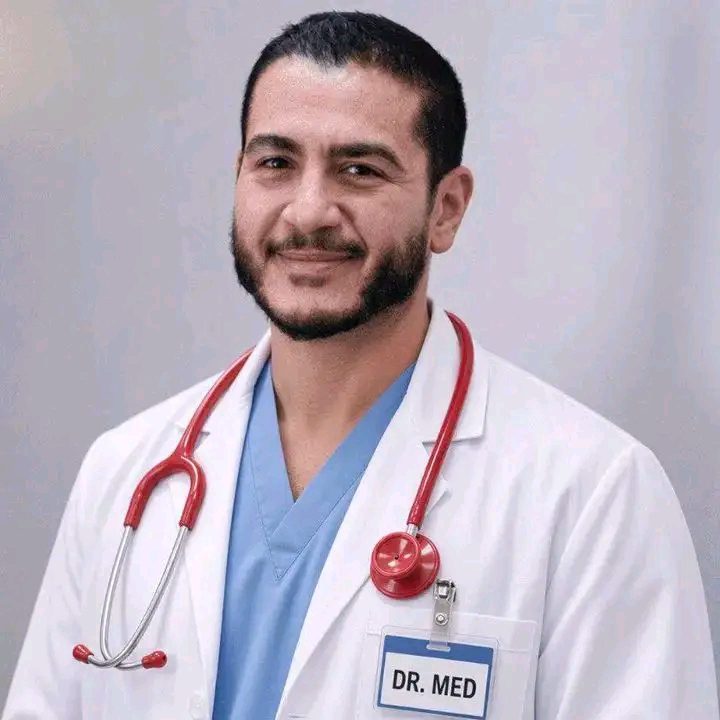
Abdul El-Sayed wants Michigan voters to believe he is a physician. He is not. He holds a medical degree from Columbia University, earned in 2014, and a doctorate in public health from Oxford. That makes him a doctor in the academic sense, the same way someone with a PhD in literature is a doctor. It does not make him a physician. He never completed a residency. He never obtained a medical license in Michigan, New York, or anywhere else. He has never treated patients independently, never written a prescription, and never been board-certified.
His hands-on experience consists of the standard rotations every medical student completes, plus one four-week sub-internship near the end of school. In a 2022 podcast he described that stretch as “cosplaying a doctor” and said his job was to be “the worst doctor on the team.” After graduating he withdrew his residency application and went into public health administration instead. He later ran the Detroit Health Department and held a similar role in Wayne County. Those are administrative jobs. They are not the practice of medicine.
Yet El-Sayed has repeatedly described himself as a physician. The title has appeared on his LinkedIn profile, in campaign speeches, in debates, and in public biographies. Michigan law and New York law both reserve the term for people licensed to practice. Rogers put the point bluntly in their October debate: “He’s not really a doctor. Matter of fact, if somebody came into his office and he tried to treat that patient, he’d go to jail.” President Trump has called him a “fake doctor.” El-Sayed’s response has been to point at the diploma and say anyone with a problem should take it up with Columbia. He has also acknowledged, on multiple occasions, that he does not practice medicine.
A group of Michigan doctors signed a letter defending him and arguing that public-health work is “medicine at scale.” That is a policy argument, not a legal or professional one. The American Medical Association uses a broad definition that includes anyone with an MD. State licensing boards do not. Patients and voters hear “physician” and assume the person has finished the training, passed the boards, and is accountable to a medical board that can revoke the right to practice. El-Sayed never went through that process.
The distinction is not technical. Real physicians complete years of supervised training after medical school before they are allowed to practice on their own. El-Sayed chose a different path. That choice is his right. Presenting himself to voters as a physician when he has never been licensed to act as one is a different matter. Nine days before the election, Michigan voters are being asked to decide whether the difference matters.
Sources: PolitiFact, Bridge Michigan, Politico, Fox News, Detroit News, Washington Examiner, MedPage Today.